The Best Soap for Body Odor: What Actually Works (And What Doesn’t)
If you’re searching for the best soap for body odor, start with a simple truth: odor usually isn’t caused by sweat alone. It develops when bacteria on the skin interact with sweat and other substances, especially in areas like the underarms and groin. Washing helps remove sweat, oils, and residue. Rinsing, drying well, and putting on clean clothes help complete the job.
A bold scent can make a shower feel like part of your personal style, whether you gravitate toward the rugged confidence of Off-Road Red, the smoke, steel, and grit of Diesel & Iron, or the darker, quieter presence of Widow Maker. But fragrance is the finish, not the foundation. Smell Like Chaos starts with getting clean.
Why body odor happens
Sweat is not automatically smelly. The Mayo Clinic explains that body odor develops when bacteria on the skin break down substances in sweat. The underarms and groin are common trouble spots, and feet can develop odor when sweat and moisture build up inside socks and shoes.
That’s why more fragrance isn’t always the answer. A scented wash may leave you smelling fresh right after a shower, but scent alone doesn’t remove sweat and residue from the skin. And soap does not stop you from sweating.
What actually helps control everyday odor?
For most everyday body odor, the basics matter more than an aggressive label:
- Wash odor-prone areas thoroughly. Use a cleanser you tolerate and take time with underarms, feet, and the external groin area.
- Rinse completely. Soap and loosened residue need to wash away.
- Dry well. Pay particular attention to skin folds and between the toes.
- Change into clean clothes. Sweat and odor can linger in shirts, socks, and shoes. Wash clothing regularly and let footwear dry between wears when possible.
- Wash after heavy sweating. A shower or change of clothes after exercise, physical work, or time in the heat can help.
The NHS body-odor guidance also emphasizes washing and drying odor-prone areas and changing clothes. A consistent routine often helps more than scrubbing harder or switching to a stronger-smelling product.
What to look for in a soap for odor control
The best soap for you is one that cleans effectively and leaves your skin comfortable. Consider:
- A cleanser you can use consistently. Stronger is not automatically better.
- A formula that rinses away cleanly. Lingering residue can leave skin feeling coated or irritated.
- A scent you enjoy, if fragrance suits your skin. A distinctive scent can make the routine feel personal, but it does not replace cleansing.
- A gentler, fragrance-free option if your skin is sensitive. Stop using a product that causes burning, itching, or a rash.
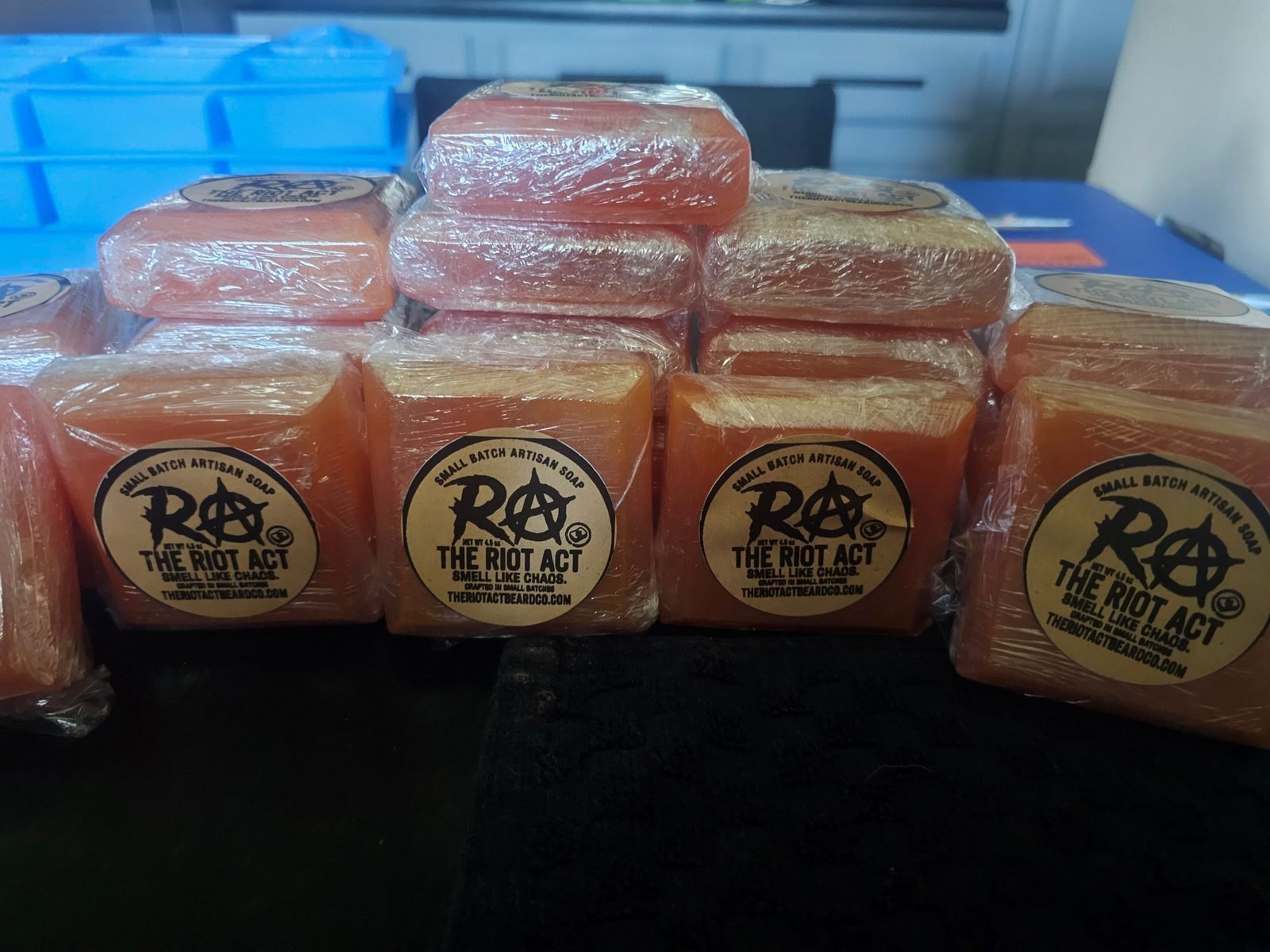
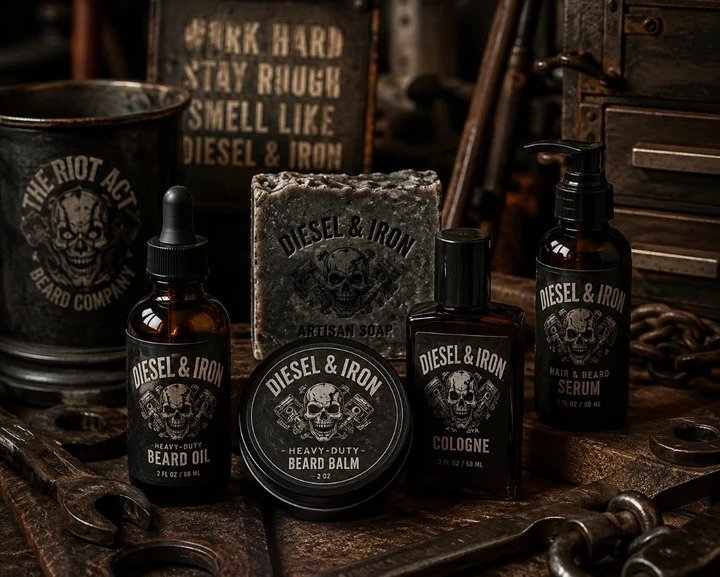
A deodorizing soap may appeal if you want a fresh scent as part of your wash. Think of it as a cleanser with a scent profile, not as a product that prevents sweating or guarantees all-day odor control. If you enjoy a bold finish, The Riot Act’s soap range brings distinctive character to a daily wash. Off-Road Red leans rugged and unapologetic; Diesel & Iron evokes smoke, steel, and grit; Widow Maker brings a darker, quieter kind of power.
Is a stronger or antibacterial soap better?
Not necessarily. A regular cleanser is a sensible starting point for routine washing. Some people may choose an antibacterial wash, but it can be more drying or irritating, and extra strength isn’t a substitute for rinsing and drying well. If a soap leaves your skin tight, itchy, or uncomfortable, try a gentler product instead.
If your concern is sensitive skin, fragrance-free cleansing may suit you better than a strongly scented bar. If a particular area stays irritated, don’t keep scrubbing it or layering on fragrance. Give the skin a break and consider asking a healthcare professional or pharmacist for advice.
Soap, deodorant, and antiperspirant are different
Soap cleans skin. Deodorant helps address or mask odor, but does not stop sweat. Antiperspirant reduces sweating, usually with an aluminum-based active ingredient. Some products combine deodorant and antiperspirant functions; check the label to see what the product is designed to do.
So, the best bar soap for body odor can be a useful part of your wash routine, but it cannot do the job of an antiperspirant. If underarm wetness is a major concern, a labeled antiperspirant may be more relevant. Apply it according to its directions, generally to dry, intact skin. The American Academy of Dermatology’s guide to whole-body deodorant also makes the important distinction: deodorant is not automatically antiperspirant.
Common mistakes that work against you
Masking instead of cleaning: Fragrance can cover odor temporarily, but it does not replace washing and changing clothes. Clean first; choose your scent afterward.
Scrubbing harder: Rough scrubbing can irritate skin. Use your hands or a soft washcloth, focus on the areas that need cleaning, and rinse well.
Skipping the rinse: A quick splash may leave soap behind. Rinse until your skin feels clean rather than slick or coated.
Ignoring clothes and shoes: If odor returns soon after showering, the source may be lingering in a shirt, socks, or footwear. Clean skin is only one part of the routine.
If you work with grease and grime, the right approach to a heavy-duty cleanup is a separate question from body odor. See our guide to what soap mechanics use to cut grease without sanding off their hands.
A simple daily and post-work routine
Daily: Wash odor-prone areas with a soap you tolerate. Rinse thoroughly, dry carefully, and put on clean clothes. If you use an antiperspirant, follow its label directions and apply it to dry skin.
After work or exercise: Shower or wash up as soon as practical, especially after sweating heavily. Change out of damp clothing and socks. Let work shoes or boots dry before wearing them again.
Make the routine your own: Off-Road Red for rugged, unapologetic energy; Diesel & Iron for smoke, steel, and grit; Widow Maker for a darker, more understated presence. The scent can set the tone. The clean rinse and fresh clothes do the practical work. For a broader look at building a consistent grooming routine, see our complete guide to using beard balm.
FAQs about soap for body odor
What is the best soap for strong body odor?
Start with a cleanser that cleans well and doesn’t irritate your skin, then focus on thorough rinsing, drying, and clean clothes. If the odor persists, a soap change alone may not address the cause. Consider whether sweat control, clothing, or medical advice may be relevant.
Does deodorizing soap stop you from sweating?
No. Soap cleans the skin; it does not stop sweating. Deodorant addresses odor, while antiperspirant reduces sweat. Check the product label to understand its purpose.
Is bar soap effective for body odor?
Yes, a bar can be an effective way to cleanse the skin when used thoroughly and rinsed completely. The format matters less than choosing a product your skin tolerates and using it consistently.
Should I use antibacterial soap every day?
Not everyone needs antibacterial soap for routine odor. A regular cleanser may be enough. If a stronger wash causes dryness or irritation, switch to a gentler option; seek professional advice if you’re unsure what’s right for your skin.
When should I ask a healthcare professional?
If odor persists despite good hygiene, changes suddenly, or comes with other concerning symptoms, seek advice from a healthcare professional. Body odor can have causes that soap cannot address.
The best soap for body odor is not necessarily the strongest or most heavily scented. Choose a cleanser that works for your skin, rinse and dry thoroughly, and pair it with clean clothes and the right sweat-control product when needed. Then let your scent express your style: Off-Road Red, Diesel & Iron, or Widow Maker. Get clean first. Smell Like Chaos on your own terms. Explore the Riot Act shop to find a scent that fits your routine.
